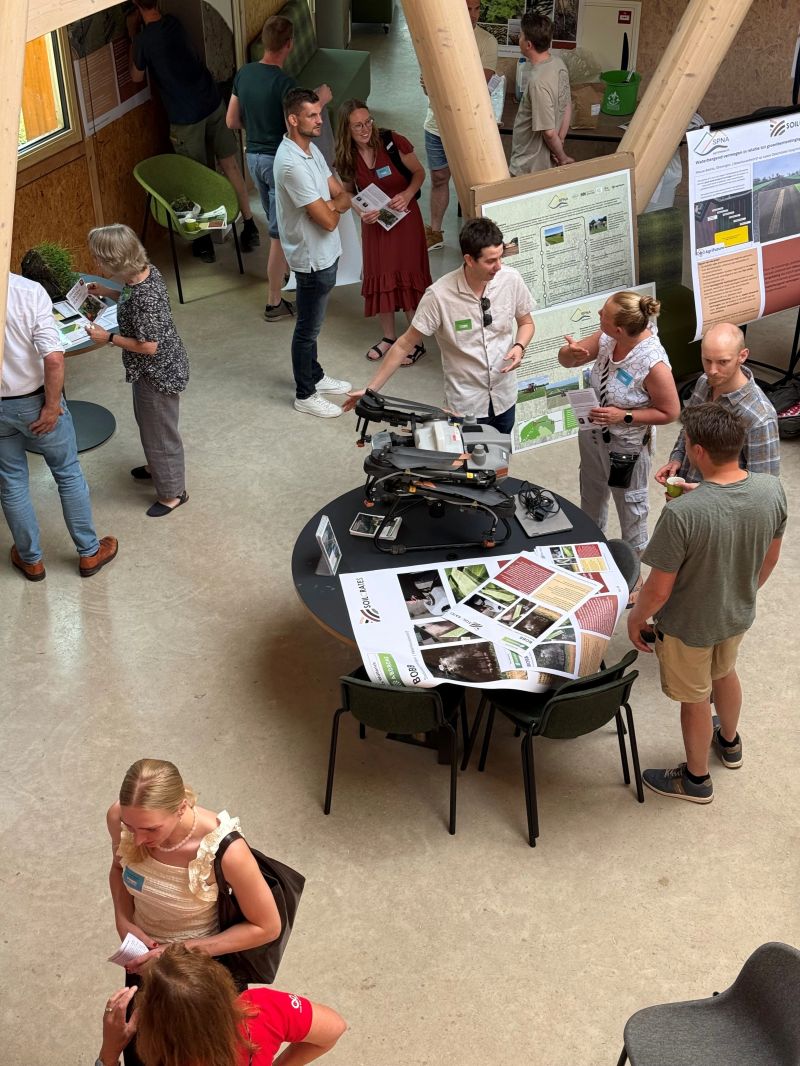
Oosterwolde, 24 June 2026 – More than 50 farmers, researchers, public authorities and other partners came together at the Biosintrum for the farmers’ market and networking day of the SOILCRATES EU Living Lab Northern Netherlands.
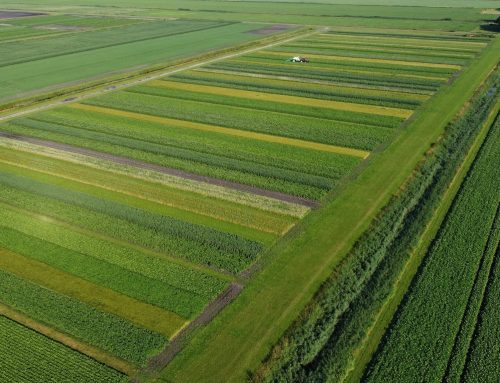
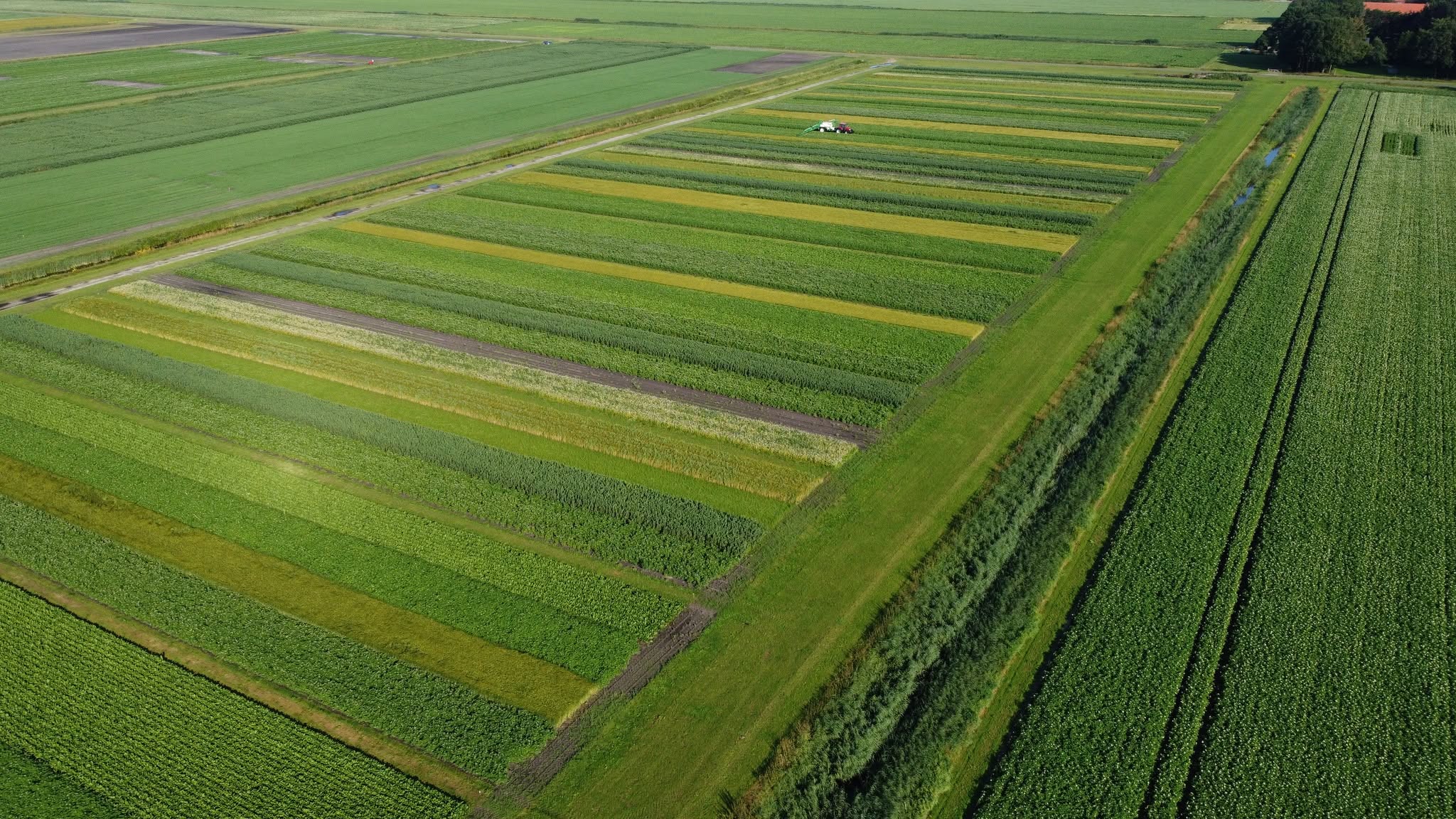
During the event, farmers from the region presented the first results of 13 practice-oriented experiments contributing to healthier soils, stronger crops and improved water quality.
Visitors gained insight into the innovative measures farmers are testing to support the future of their businesses. The pilots covered a wide range of approaches, including herb-rich grassland, manure treatment, compost tea, seaweed fertilisation, undersowing, cover crop mixtures and techniques to reduce soil compaction. Together, these experiments show the many practical possibilities available to strengthen soil health on farms.
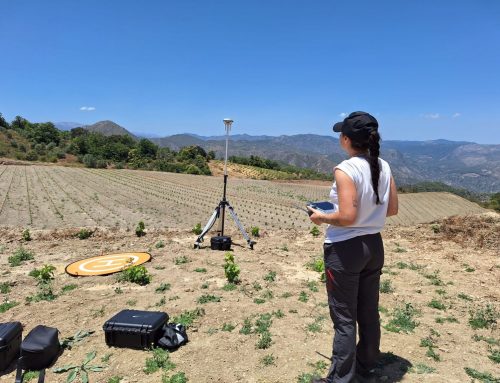
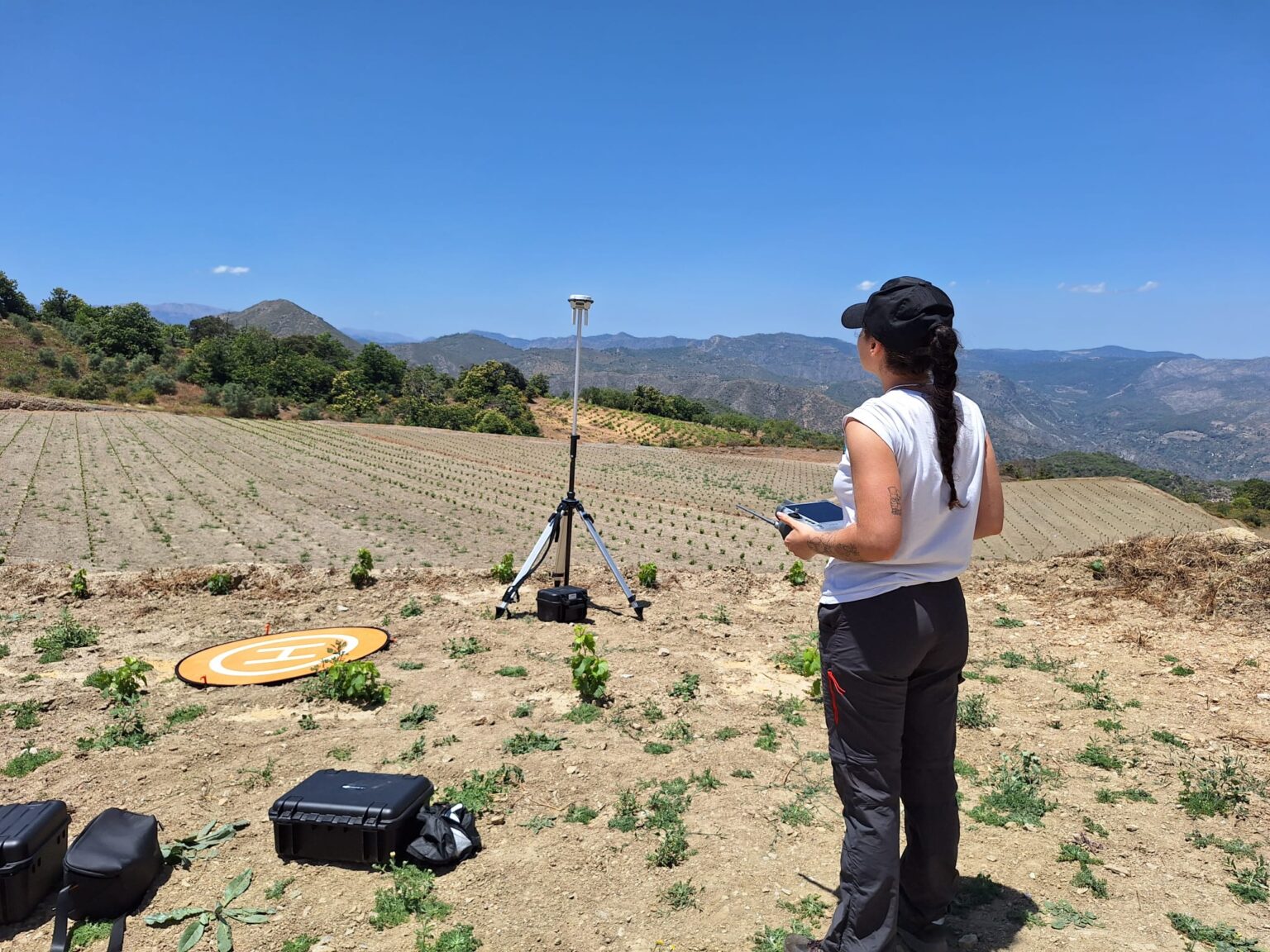
The farmers’ market created space for exchange, discussion and networking. Through stands, posters, soil profiles, treated and untreated crops, bags of Irish seaweed and a drone used for undersowing, participants showcased the research they are carrying out on their own farms. The event attracted strong interest, with farmers and visitors exchanging experiences, early results and new ideas.
Learning and developing together
In the afternoon, the focus shifted from presenting results to deepening collaboration. Farmers, businesses, public authorities, civil society organisations and knowledge partners discussed the future direction of the Living Lab.
A central question guided the discussion: where do we want to work together, and how can we ensure that knowledge and practice continue to reinforce one another?
Participants highlighted the importance of more informal meetings, less one-way communication and more shared learning. Scientific knowledge was also recognised as an important foundation for making well-substantiated choices in practice.
Looking ahead, the Living Lab aims to continue exchanging knowledge and experiences during the winter months, for example through online discussions from the “warm kitchen”, while using the growing season to go outside together, observe, compare and learn directly from each other’s approaches.
The question “How do you do this?” emerged as an important starting point for future exchanges. By sharing experiences and experimenting together, participants aim to explore how the farming profession can continue to develop and what opportunities this can create for future generations.