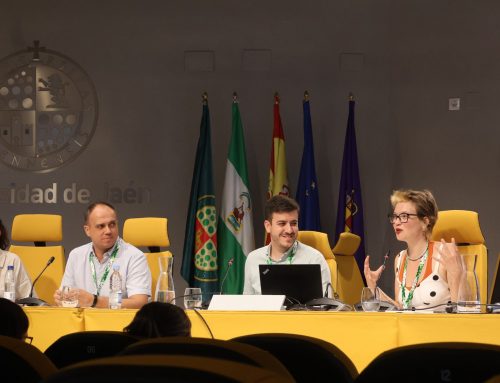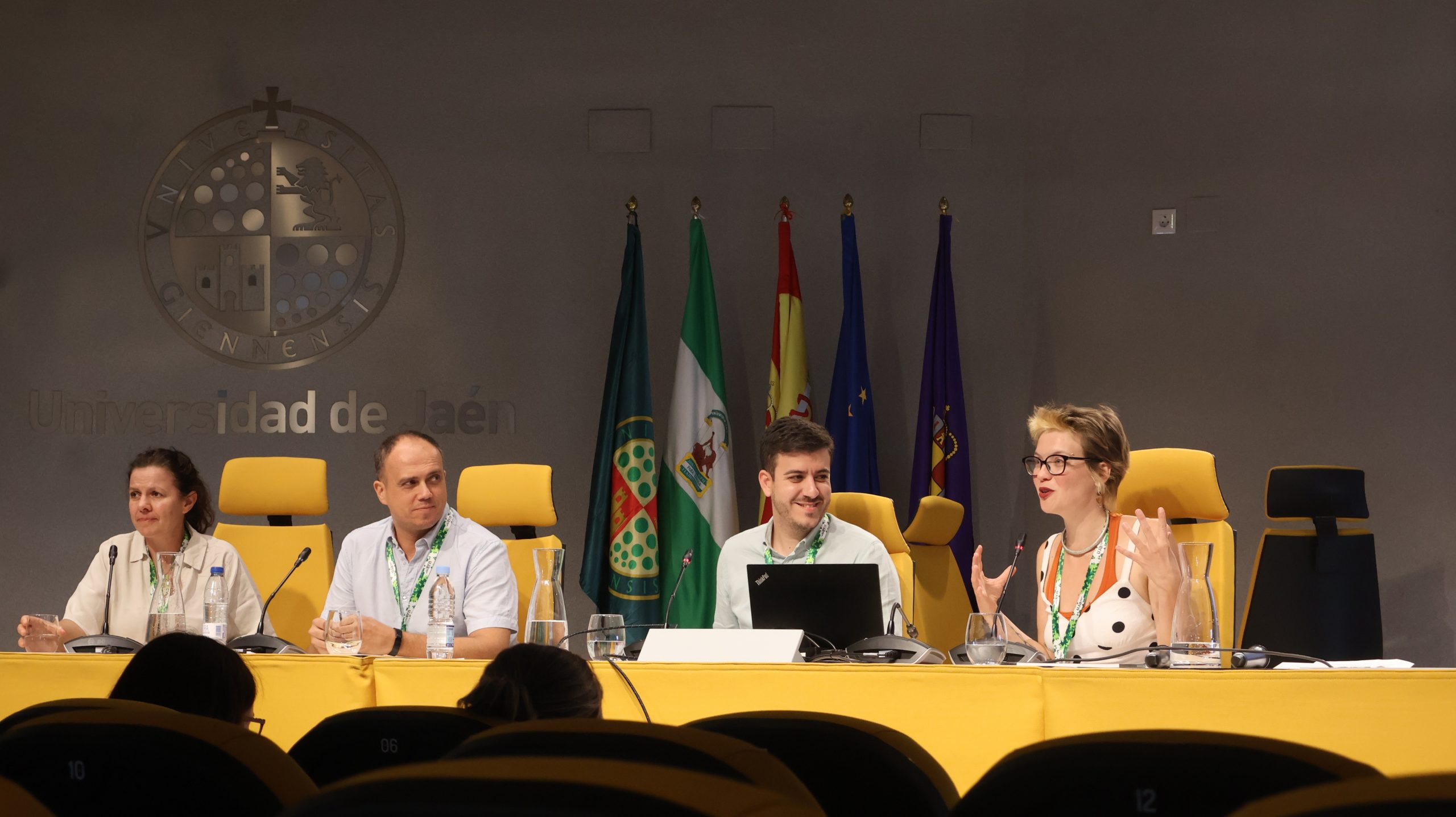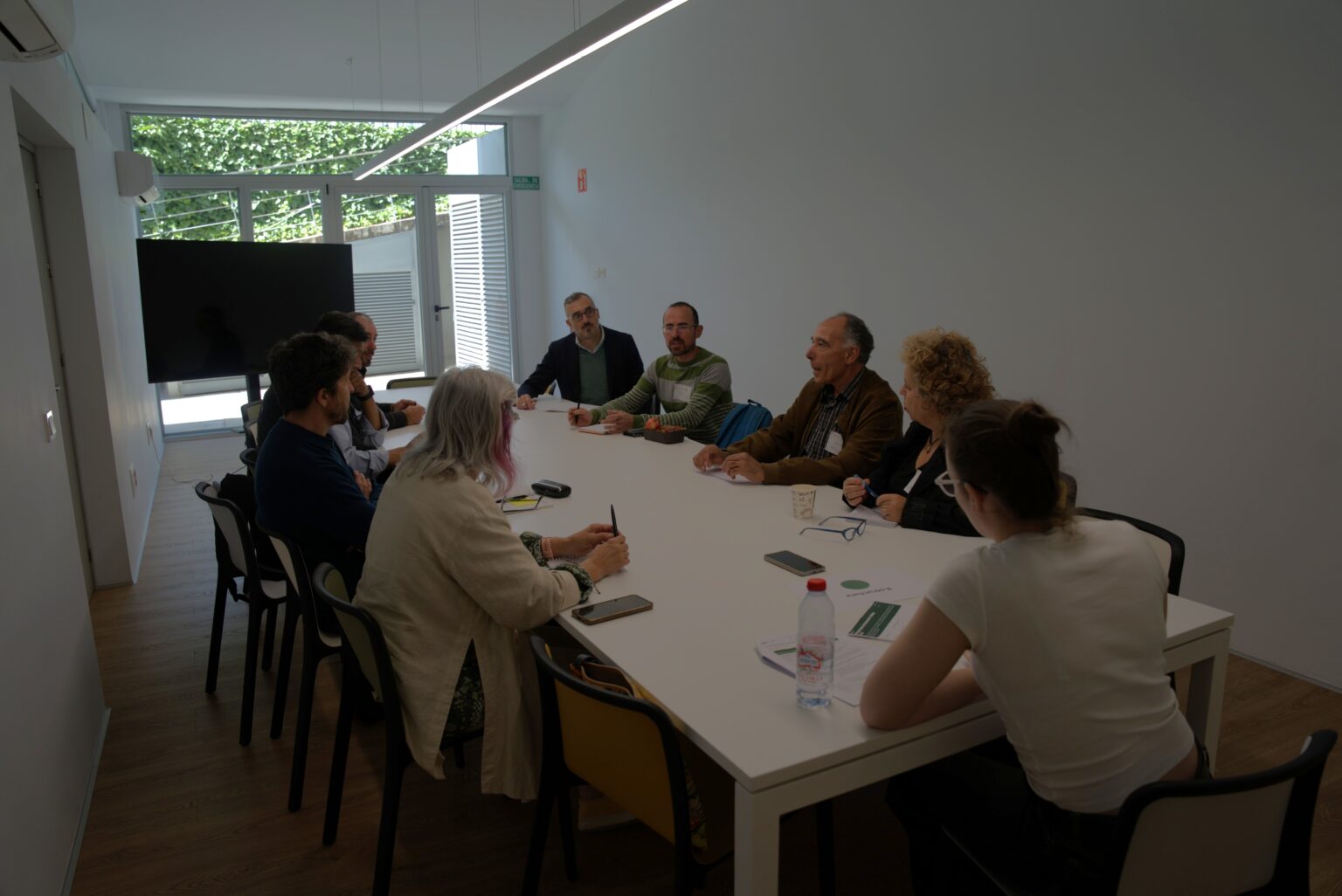
Granada Tierra Viva, the Living Lab of the European SOILCRATES project, has advanced towards a shared organisational model through a collective working session held at the Diputación de Granada.
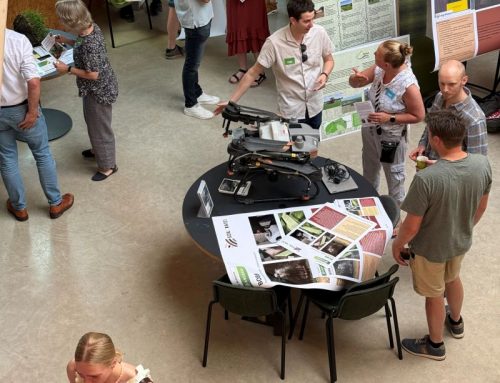
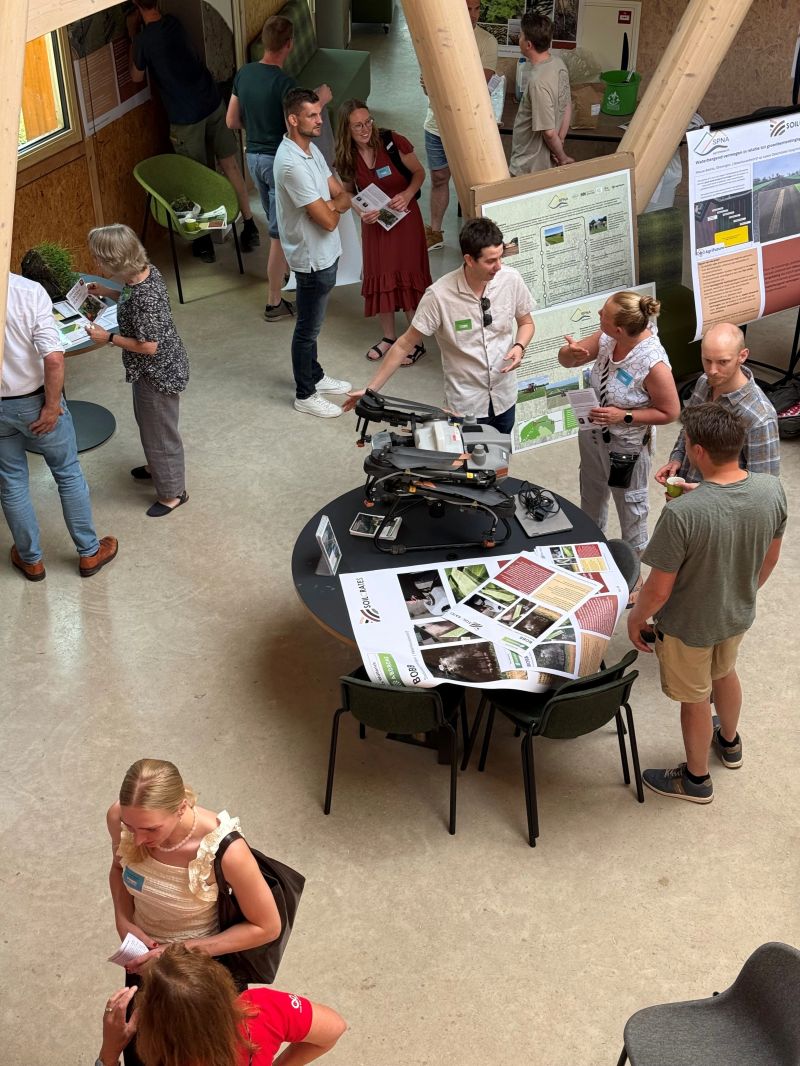
The event, “Construyendo el futuro de Granada Tierra Viva”, was promoted by the Provincial Council of Granada and the University of Granada within SOILCRATES, funded by the European Union’s Horizon Europe programme. It brought together actors from the territory, research, public administration, the productive sector, and civil society to strengthen an innovation ecosystem focused on soil improvement, sustainable agriculture, responsible production and commercialisation, and territorial regeneration.
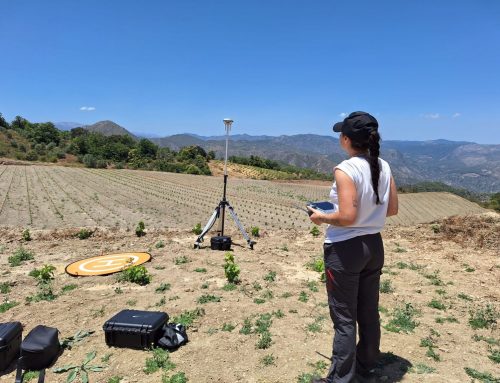
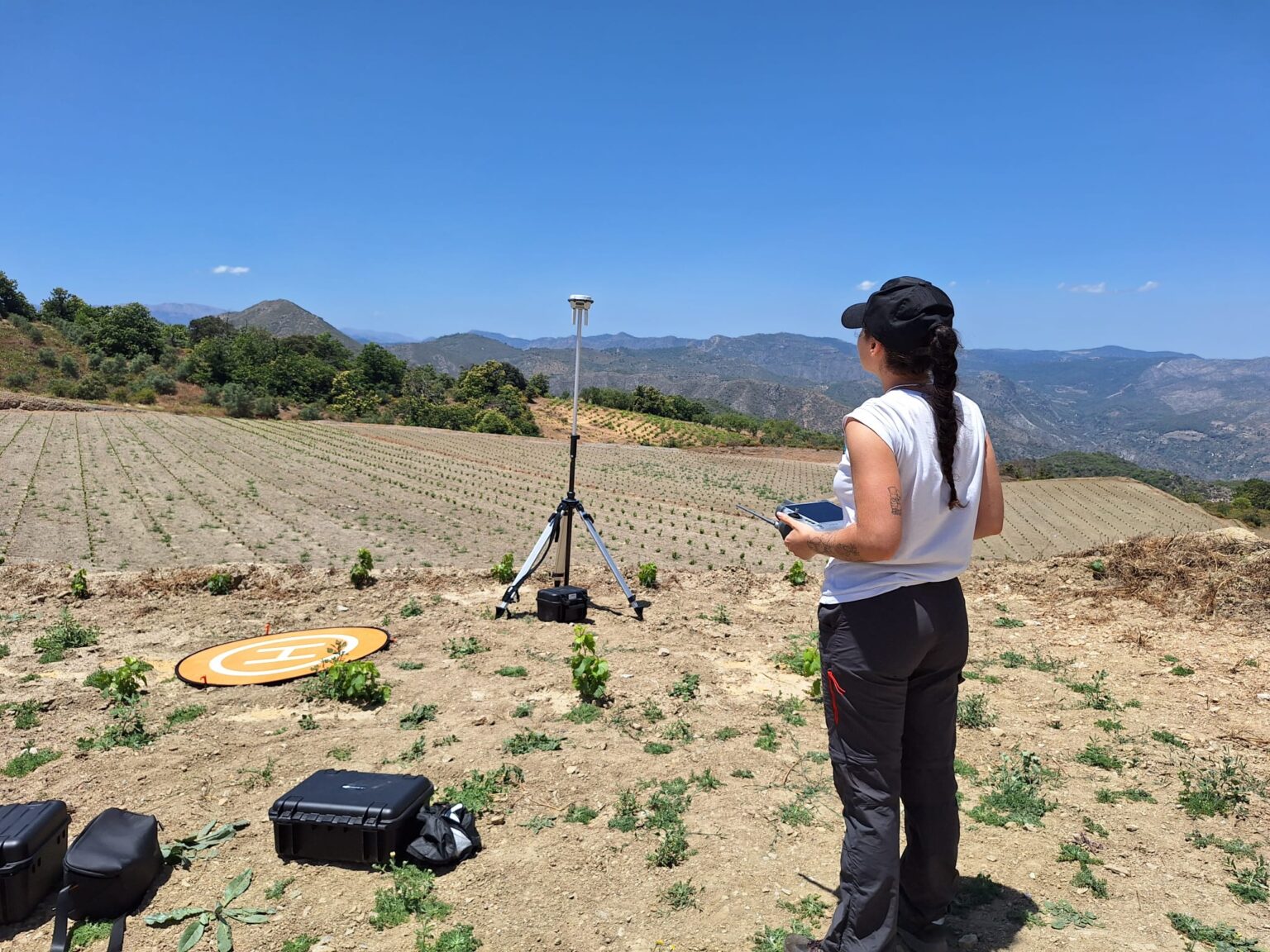
The session followed several months of intensive Living Lab activity, including three rounds of funding to support pilot projects with a total investment of €400,000. Participants worked together to identify challenges and opportunities, discuss thematic working groups, and build a first collective roadmap for the Living Lab’s future.
A central focus was the proposed governance structure for Granada Tierra Viva. This model is based on participation, the quadruple helix approach, horizontal decision-making, inclusion, the integration of academic and practical knowledge, adaptability, and financial sustainability. The proposed structure includes a Technical Office, Executive Council, Scientific Council, Advisory Council, and General Assembly as the main space for stakeholder participation.
Through this work, Granada Tierra Viva is reinforcing its role as a collaborative platform connecting farmers, researchers, public administrations, businesses, and citizens. As part of SOILCRATES, it demonstrates how Living Labs can support practical experimentation, knowledge transfer, and shared action for healthier soils and more resilient territories.