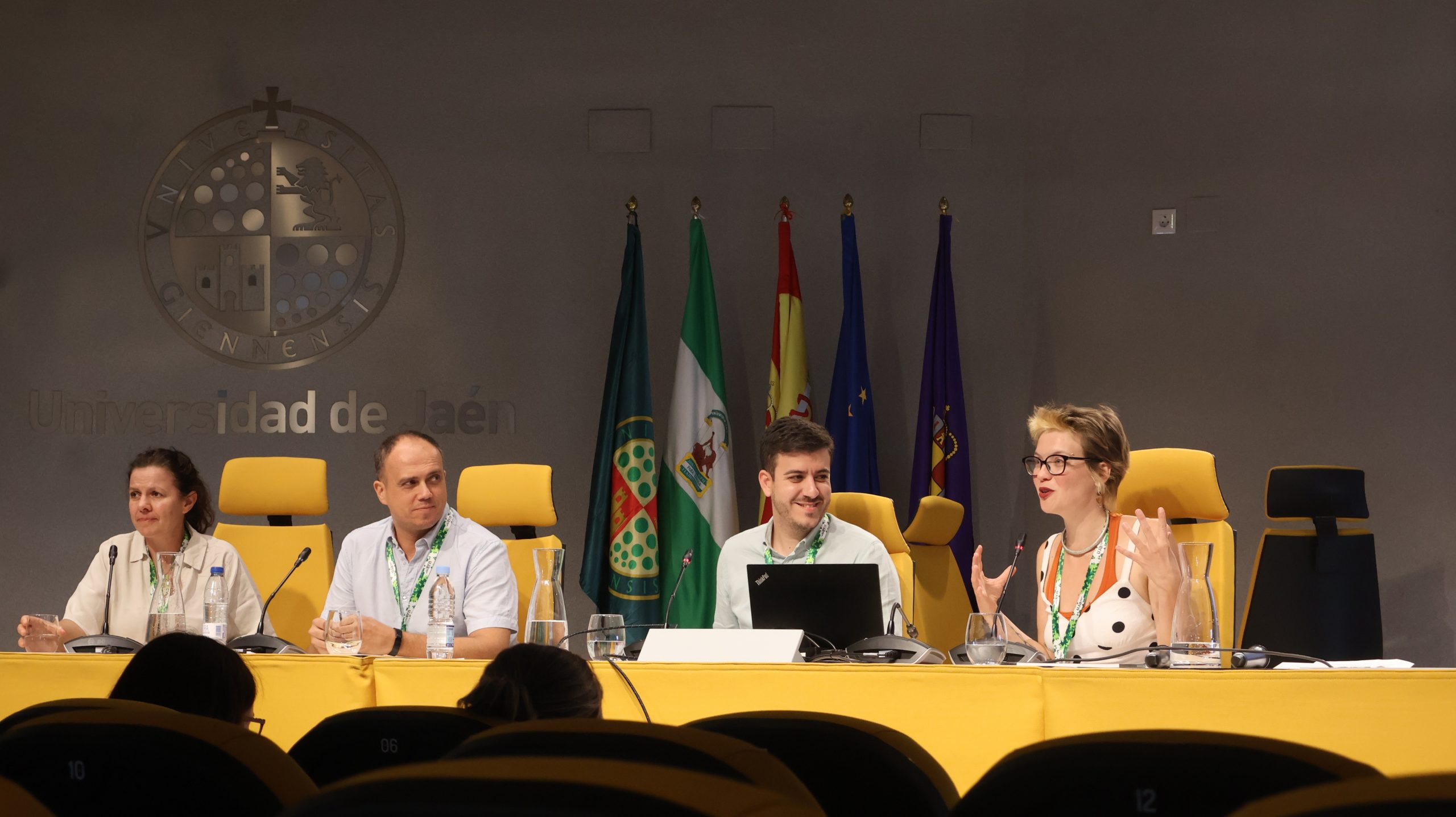
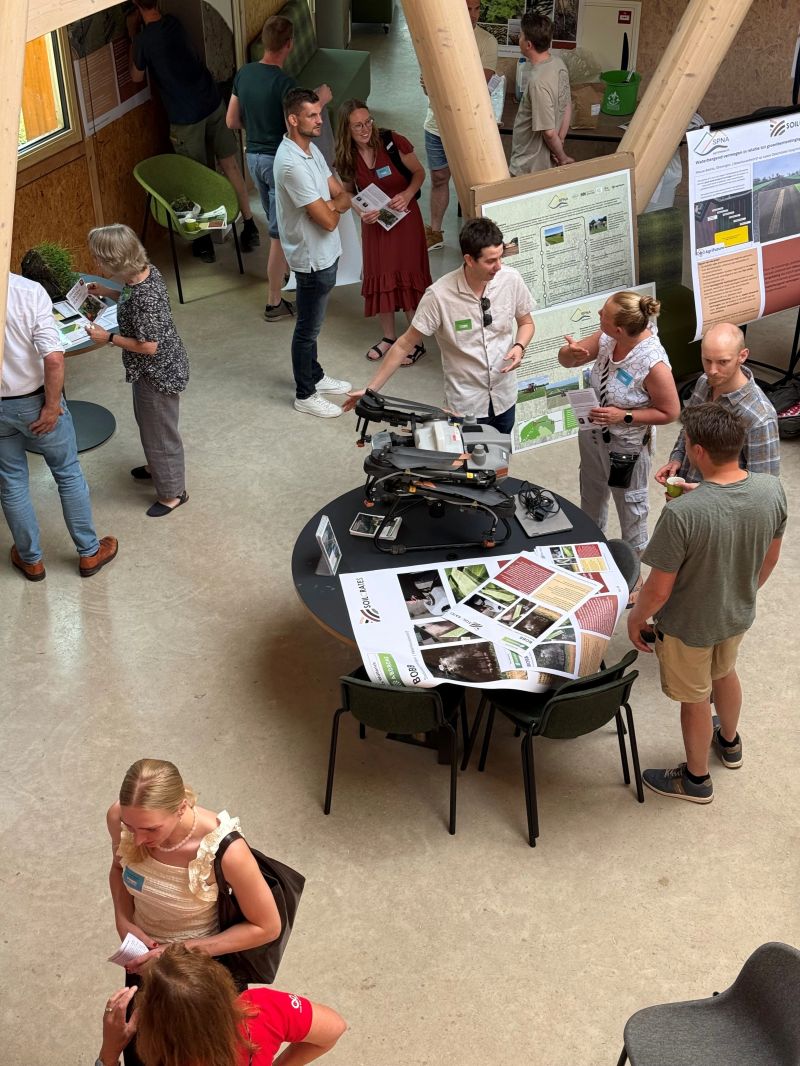
The launch meeting of the SOILCRATES project took place on October 7, 8 and 9 in the city of Leeuwarden, in the Netherlands , a project that constitutes a collaborative effort to promote sustainability, innovation in agriculture and soil recovery , with a budget of more than 2 million euros in the province.
The University of Granada, with the participation of the Provincial Council , has led the creation of an innovation ecosystem to improve soil health in the province within the European project SOILCRATES (SOIL Innovation Labs: Co-Regenerating and Transforming European Soils) . This initiative is a pioneering European project involving 22 partners from 6 countries with total funding of €12 million over 4 years, a collaborative effort that seeks to promote sustainability and innovation in agriculture and soil restoration.
The objective of this project is to establish four regional Living Labs (laboratories that will create innovation ecosystems with the participation of companies, public administrations, universities, citizens and other research agents) in Ireland, France, the Netherlands and Spain.
The actions carried out by these four countries will operate autonomously but interconnected through the exchange of good practices and knowledge applied to the diverse regional realities, with the aim of improving crop conditions in agricultural soils, fostering the co-creation of innovative practices to improve soil health and increasing literacy on this subject in society.
SOILCRATES joins the Living Labs UGR strategy, under the local name Granada Tierra Viva , led by the Vice-Rectorate for Social Innovation, Employability, and Entrepreneurship , which seeks to generate tools for innovation and participatory governance of complex challenges with social implications . Esteban Romero Frías , project coordinator in Granada and Vice-Rector for Social Innovation, Employability, and Entrepreneurship at the University of Granada, has stated that this is “an unbeatable opportunity,” not only for improving “agricultural activities in the province,” but also for building capacity to establish “innovation ecosystems” based on participation in other areas important for “regional development.”
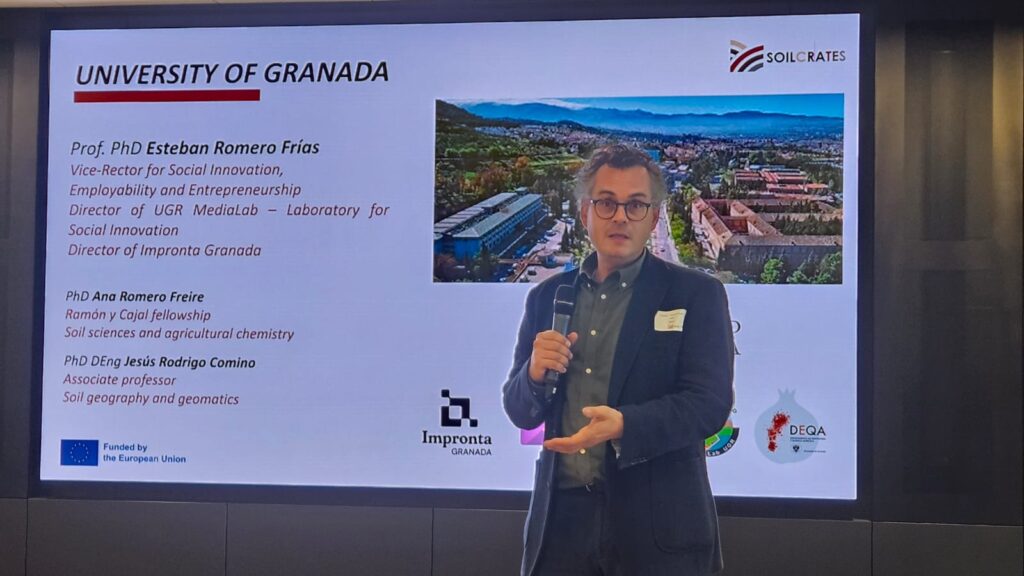
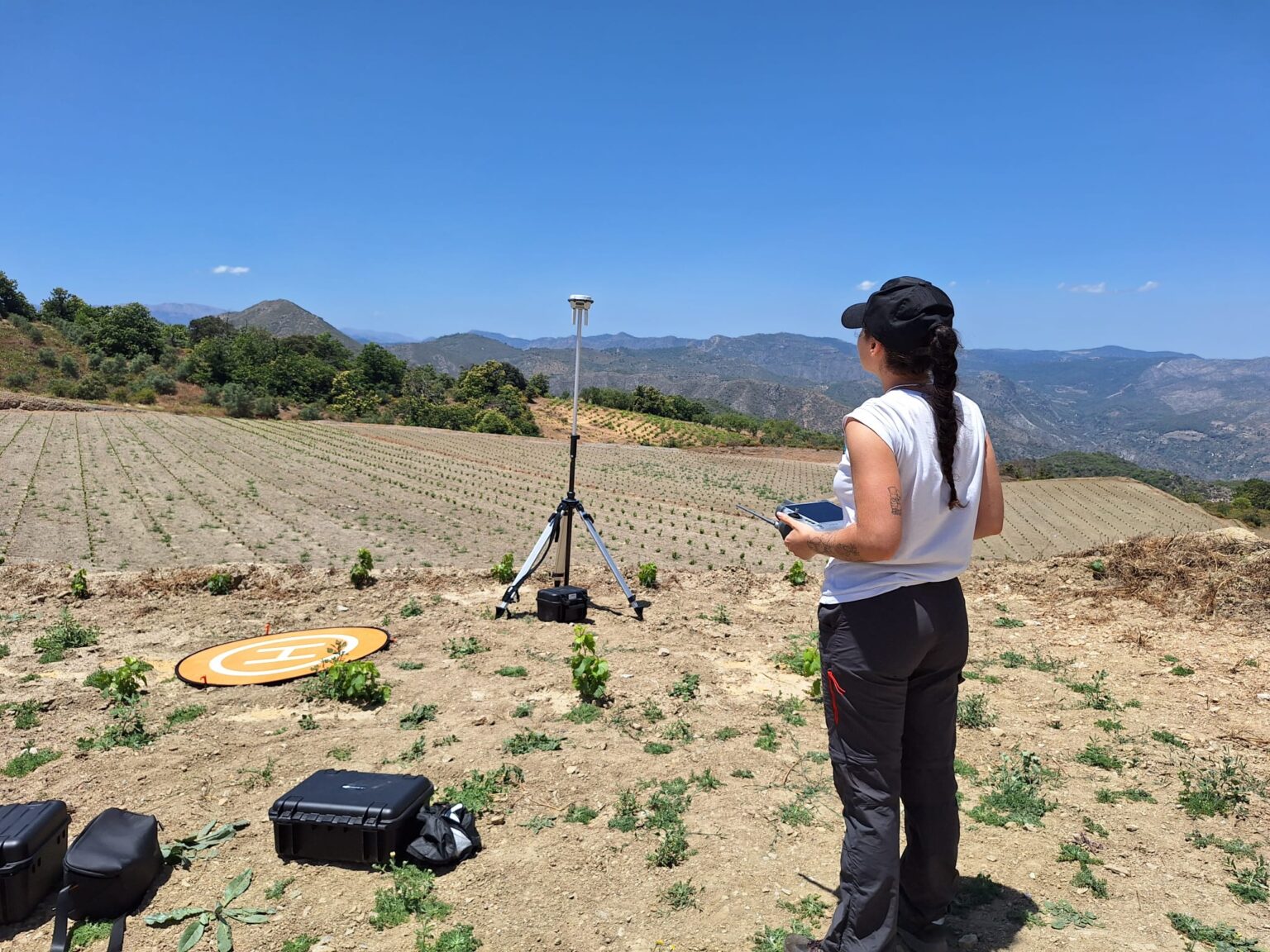
Apart from the implementation of the innovation ecosystem (living lab), led by the Vice-Rectorate for Social Innovation with researchers from various departments , the project includes groups belonging to the Department of Soil Science and Agricultural Chemistry and the EGEMAP lab in order to implement soil monitoring actions and analysis of its evolution.
With €2 million in funding for the project, the University of Granada, leading the creation of the Granada living lab , has contributed €1.6 million, along with €100,000 from the Granada Provincial Council . An additional €400,000 has been allocated to fund pilot projects for soil intervention and the testing of solutions for soil improvement.
The application for this project and its implementation are part of the Impronta Granada alliance , through which the University, together with the Provincial Council, contributes to the development of the province.
Auhor and Source in spanish : Impronta Granada