The Granada Tierra Viva Living Lab brings together experts and professionals to demonstrate innovative solutions for soil management and erosion control in vineyards.
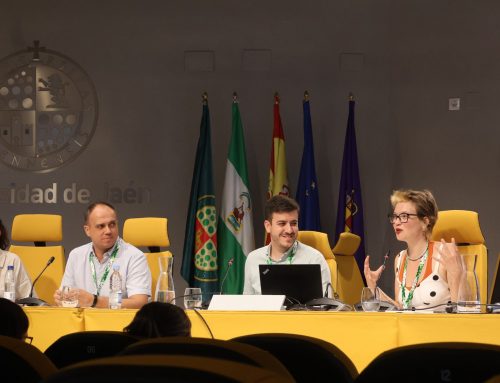
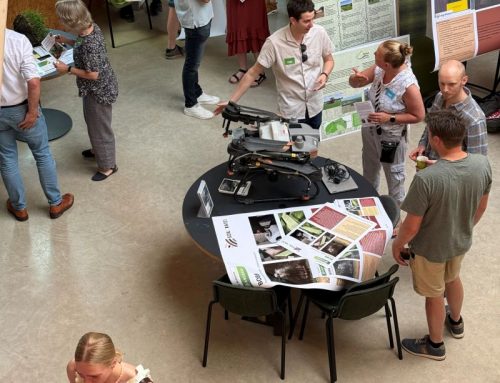
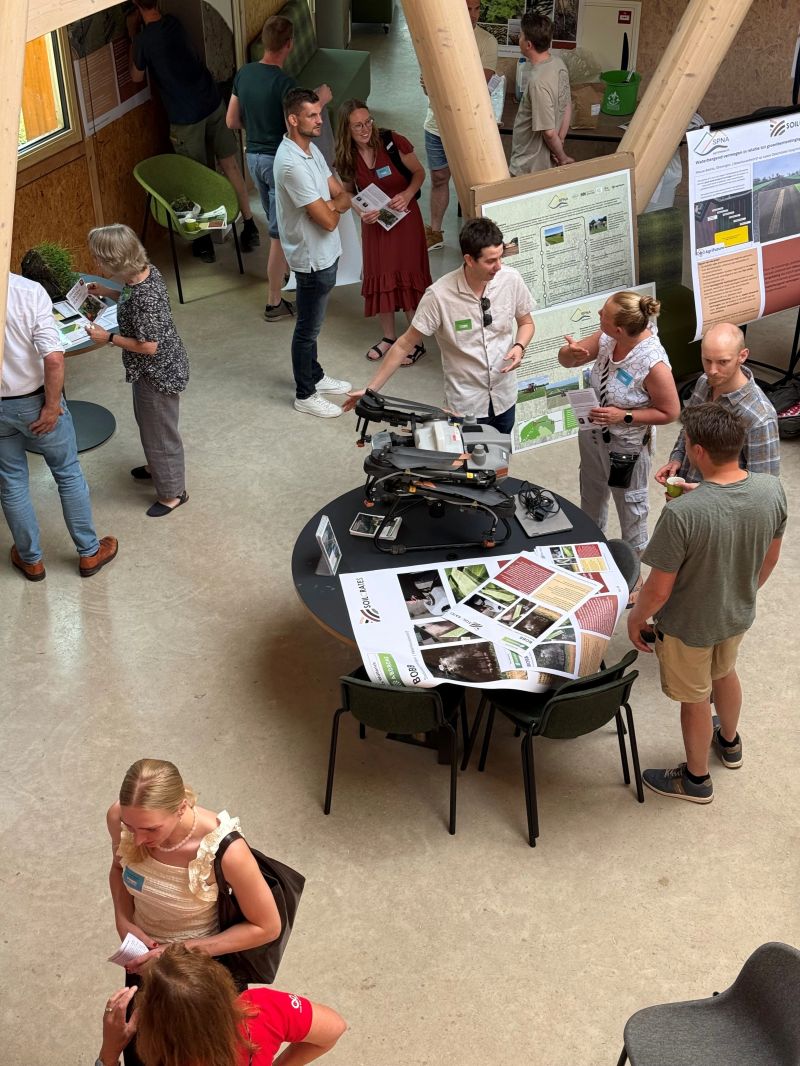
GRANADA, May 6, 2026 — The Señorío de Nevada Estate hosted the first demonstration day of the SOIL-VITIS project today, an initiative under the Granada Tierra Viva Living Lab, which stems from the European SOILCRATES project. The event, focused on regenerative viticulture, was attended by more than 30 people interested in the new frontiers of agricultural sustainability.
Technological innovation in the field
During the event, Chema Concustell Niño, an agricultural technician at Señorío de Nevada, presented the SOIL-VITIS project.
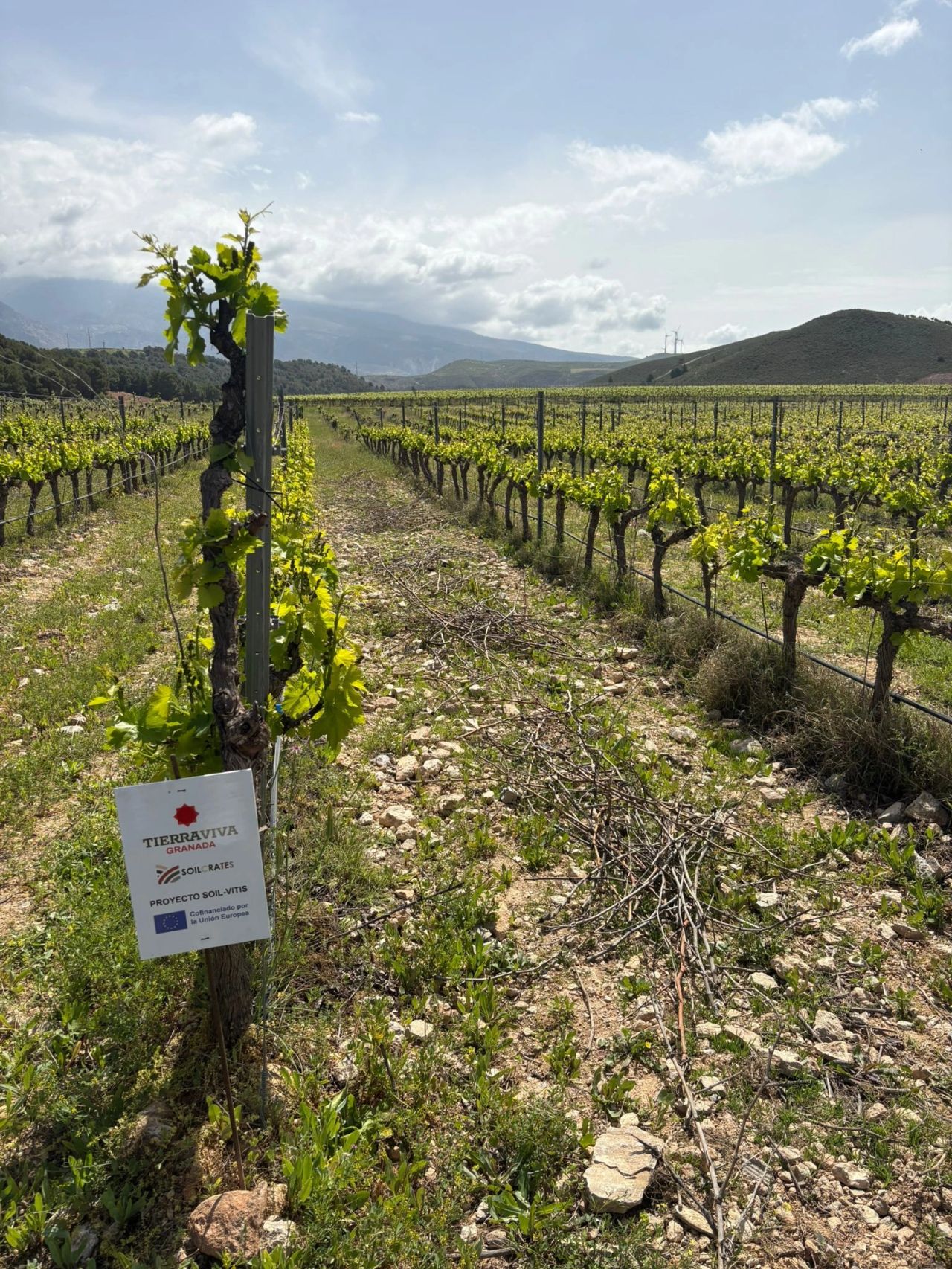
One of the key points of his presentation was a practical demonstration of pruning waste management using a shredder attached to a tractor, whose main advantage is its ability to maneuver precisely between vineyard rows. This practice optimizes the integration of organic matter by processing pruning shoots into very small fragments directly on the ground. By reducing the size of the waste, the soil gains greater absorption and mineralization capacity, transforming waste into an essential nutrient resource for the vineyard.
Applied Science: Microbiology and Soil Science
The following institutions also participated as part of the SOIL-VITIS project:
- Zaidín Experimental Station (EEZ-CSIC): Researchers Mario Paniagua López and Inmaculada García Romera presented progress on fungal inoculation, emphasizing that each crop has specific needs that can be met by different fungi.
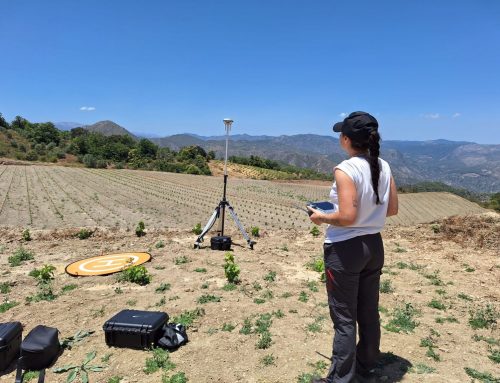
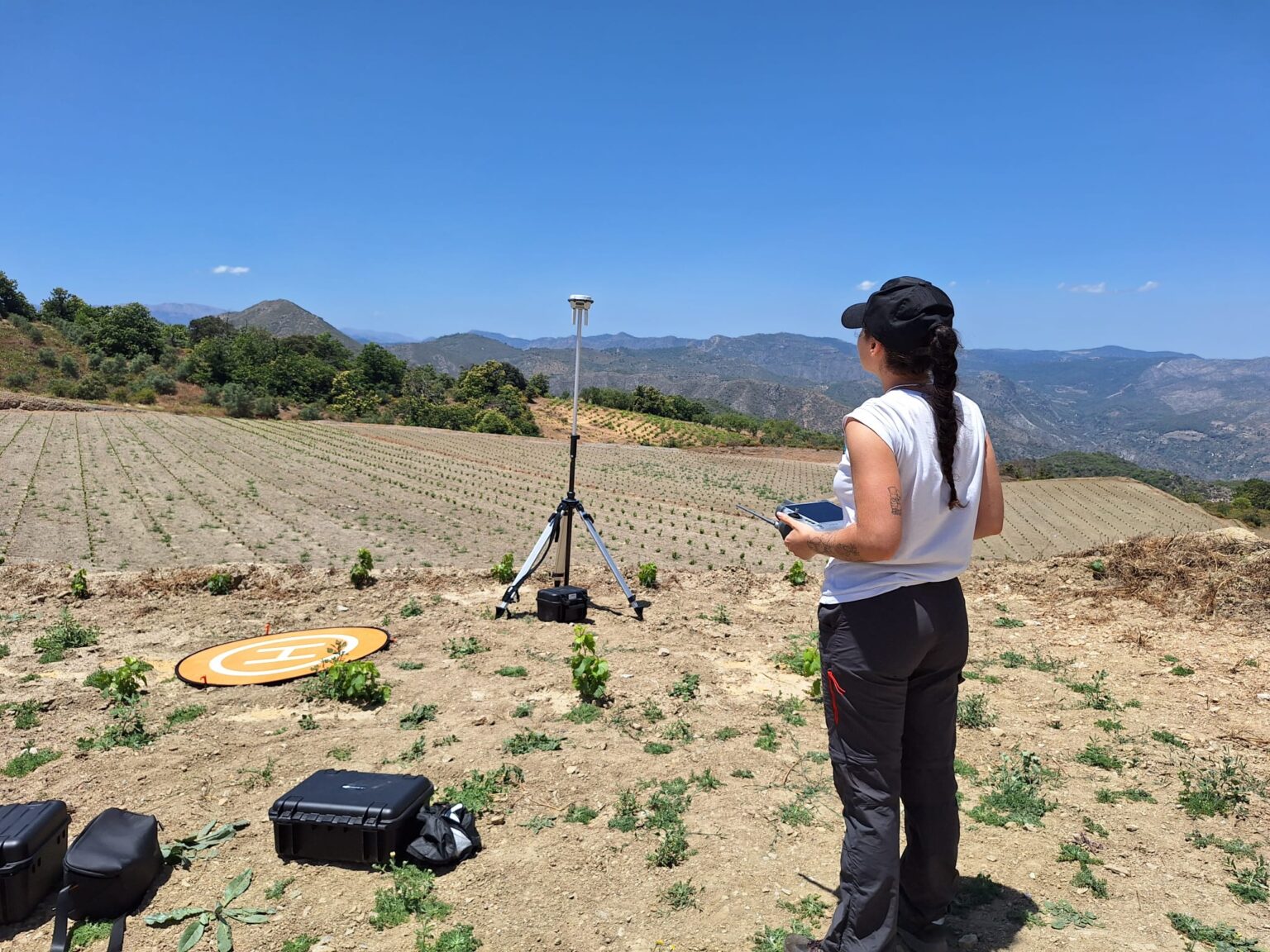
- University of Granada (UGR): Ana Romero Freire and Matilda Merkohasanaj, from the Department of Soil Science and Agricultural Chemistry, led experimental demonstrations on erosion control. They highlighted how plant cover and pruning residues reduce runoff and promote the retention of essential nutrients.
Discussion on the sector’s challenges
- The meeting also served as a forum to address current concerns among farmers, such as:
- Doubts regarding the implementation of plant cover versus traditional plowing.
- Pest management, with special attention to issues such as the presence of voles.
- The microbiological impact of different cover crops compared to tilled soils.
Knowledge Transfer
One of the key points highlighted by the attendees was the critical need to establish an effective transfer of scientific knowledge into practical knowledge. The importance of ensuring that academic research reaches farmers directly and in an understandable way was emphasized, in order to facilitate the transition toward more resilient models.
This conference represents a milestone in Granada Tierra Viva’s commitment to positioning the province as a leader in sustainable agricultural innovation.
Contact
For press inquiries, contact the communications team : natalia.brack@iid-sii.org and jessica.bailloux@iid-sii.org