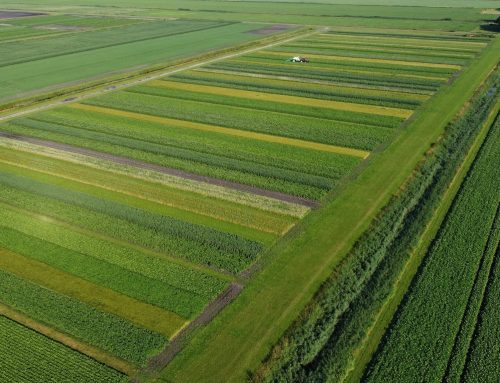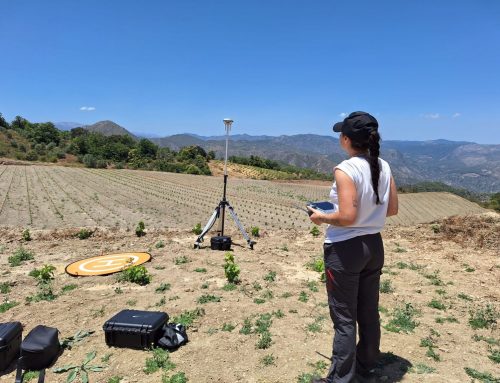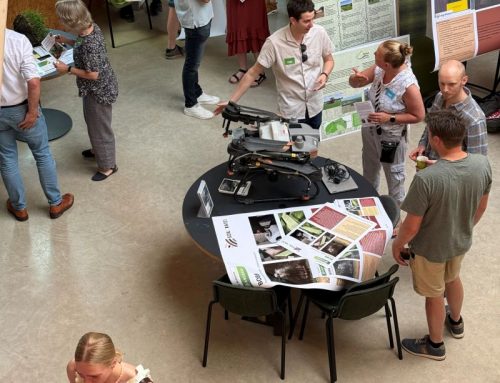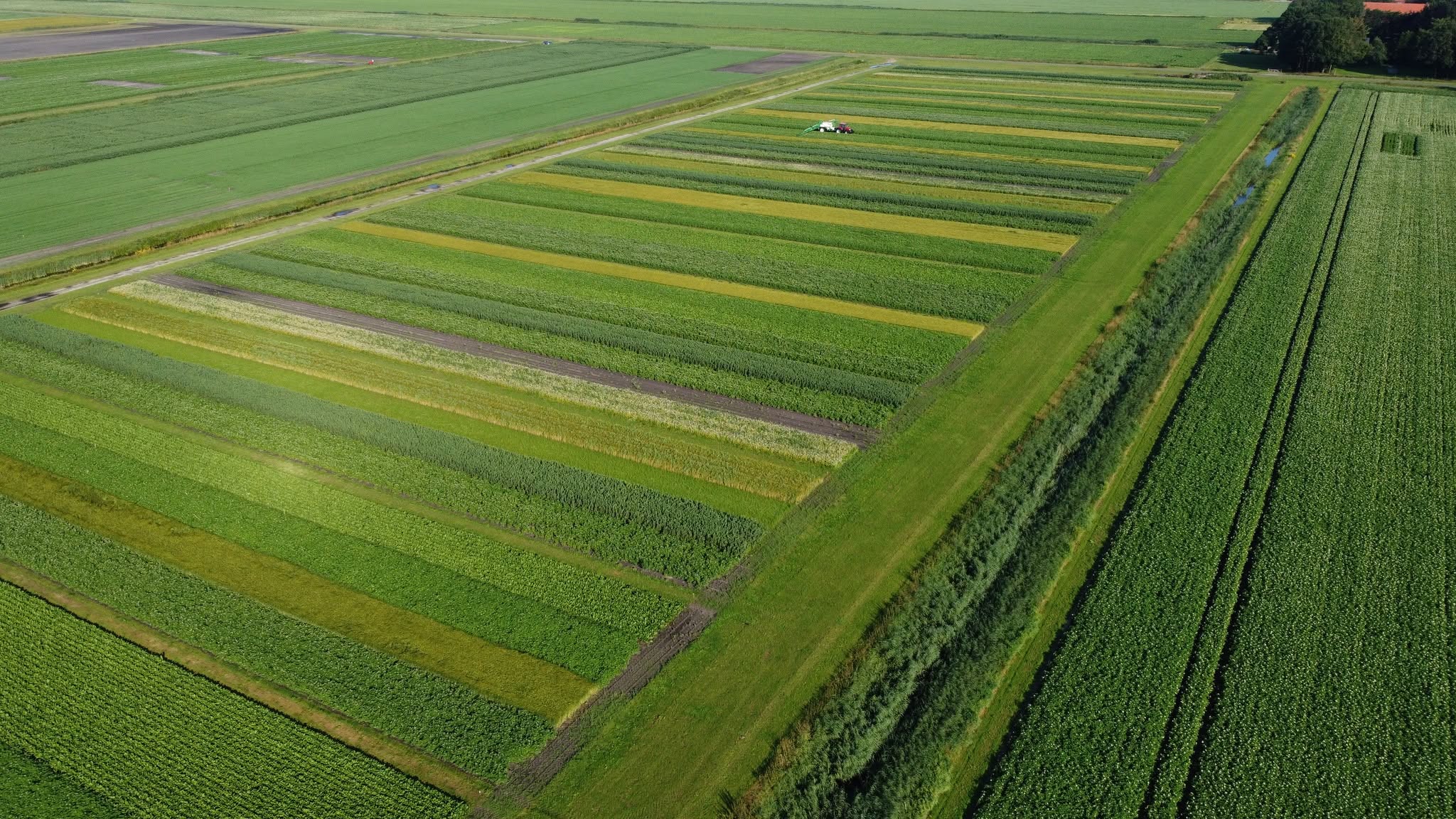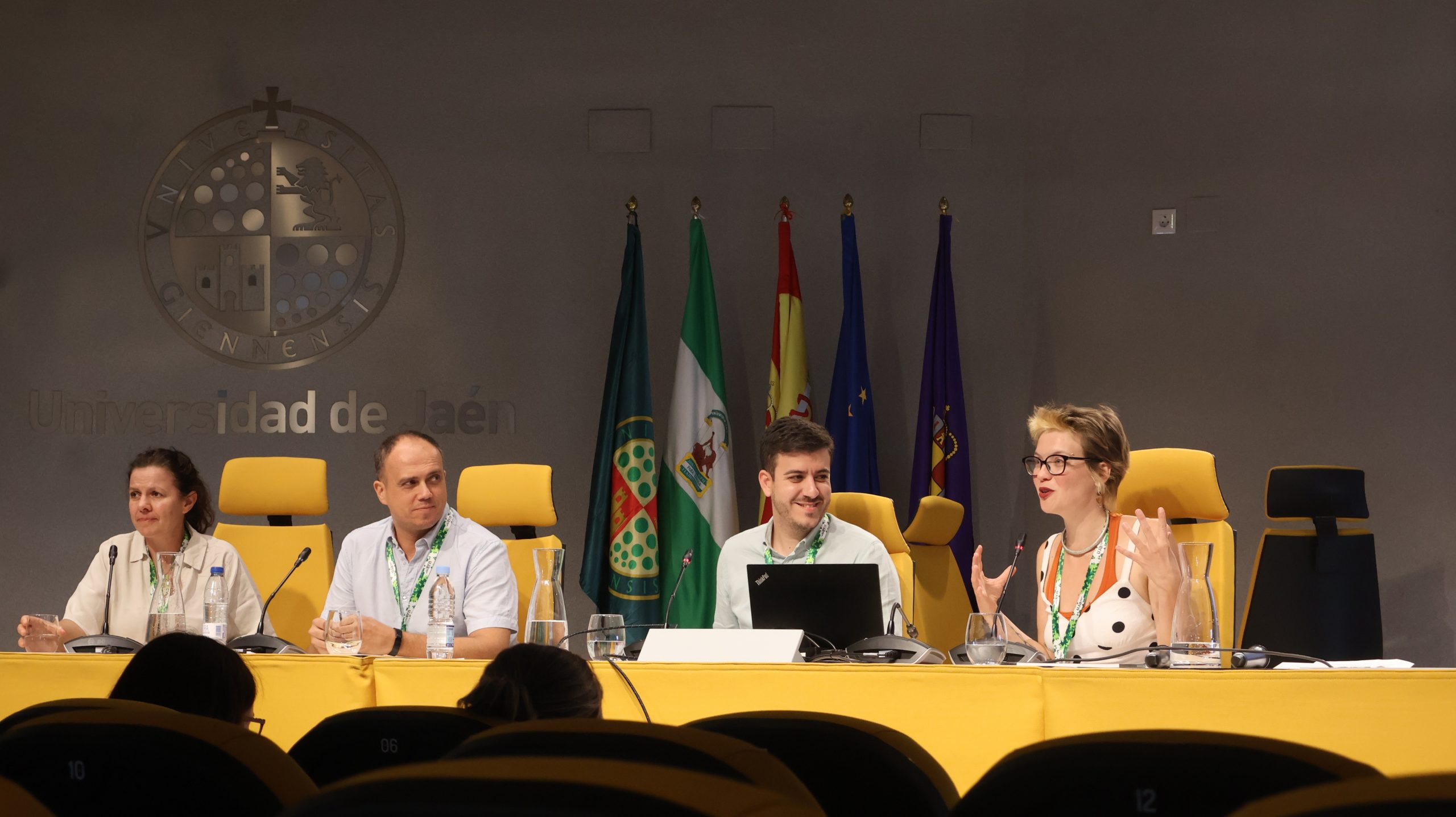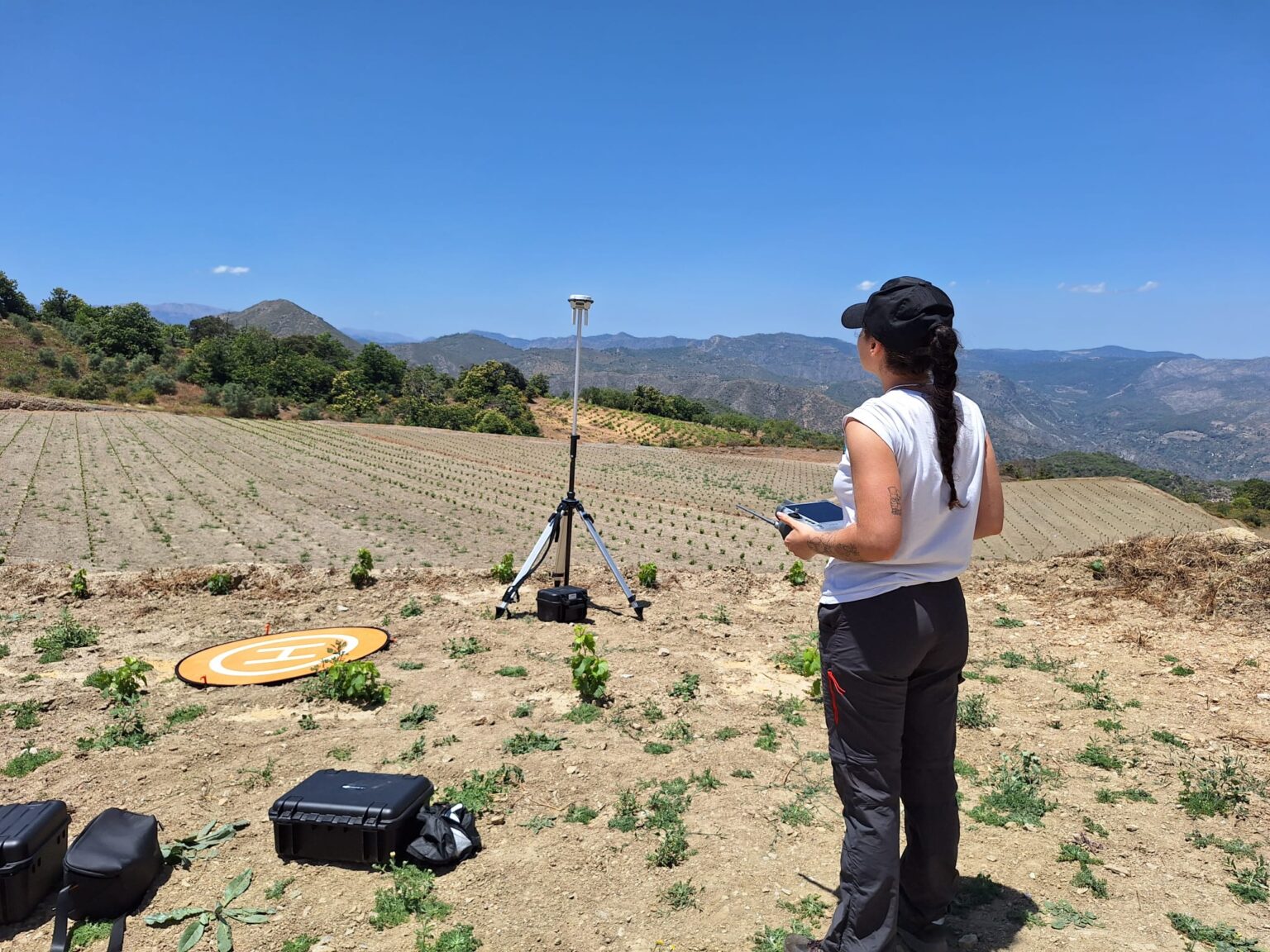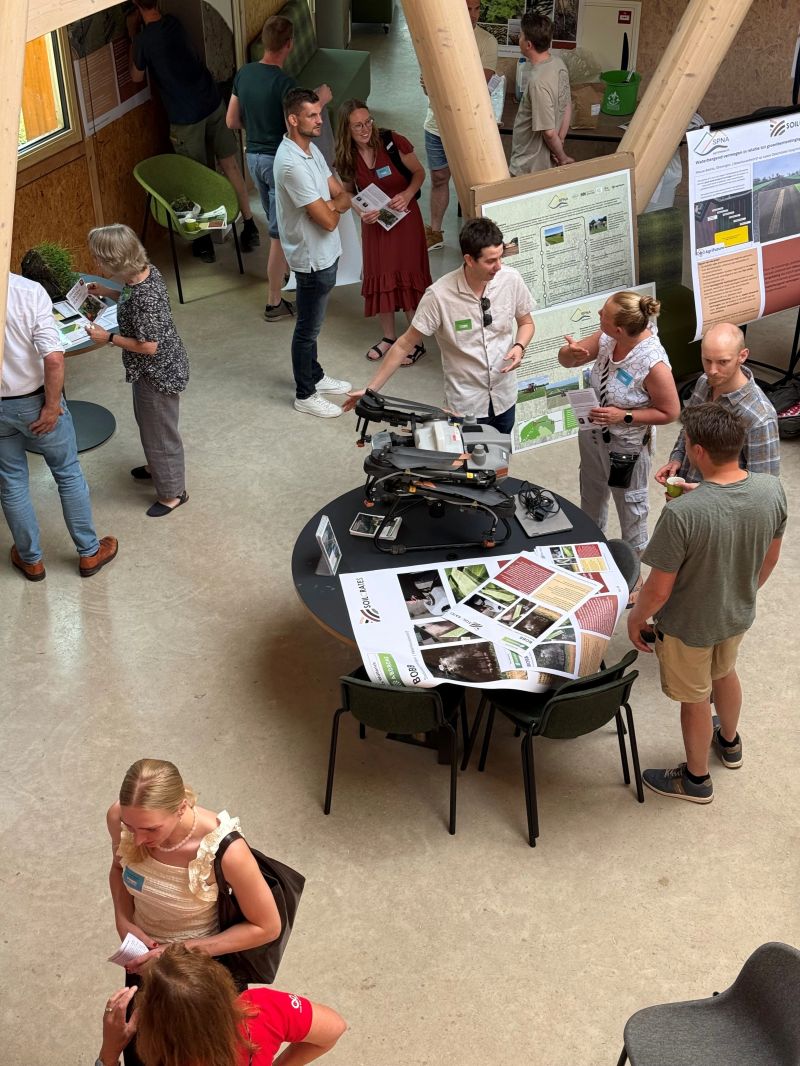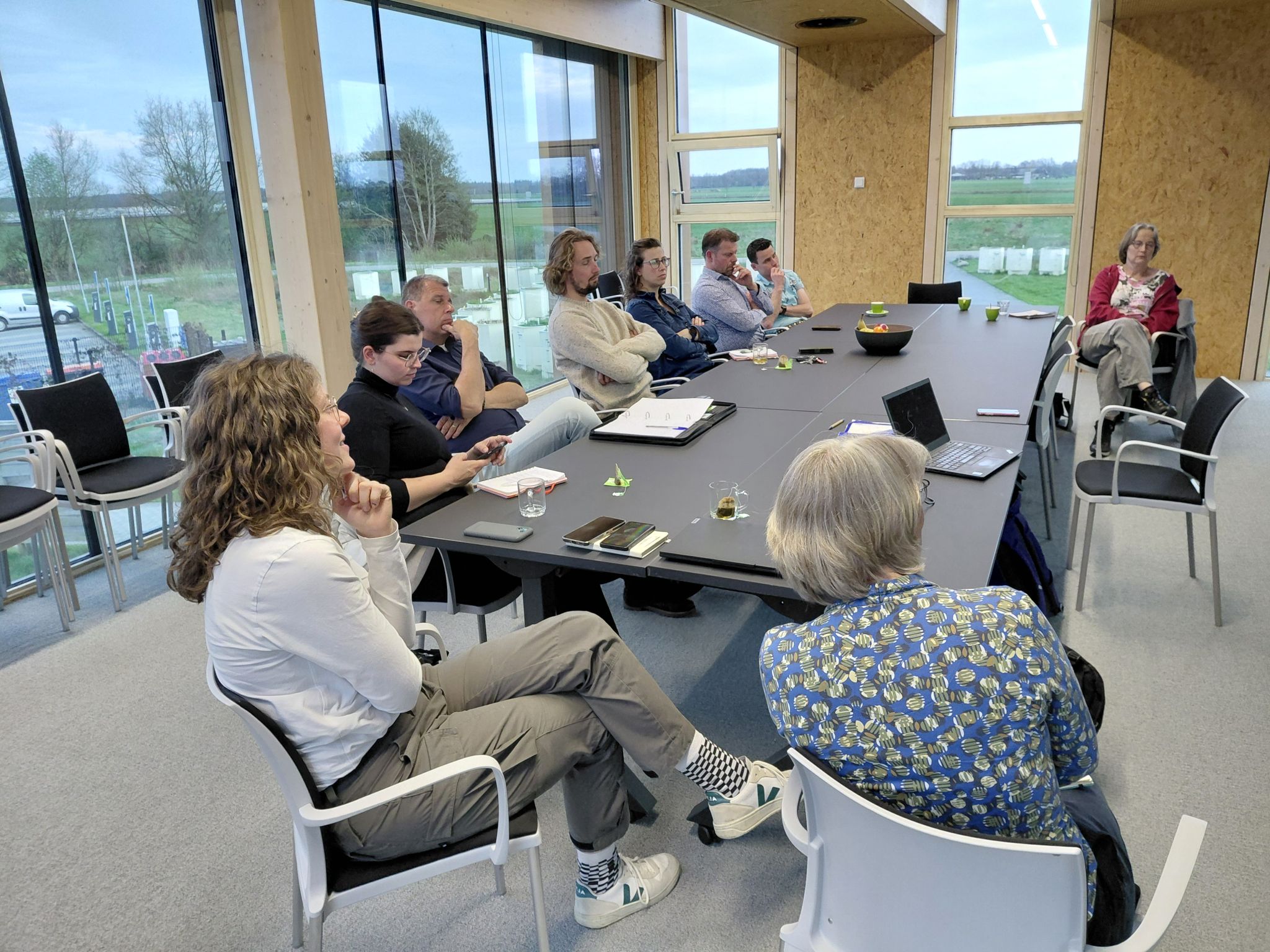
Following a successful SOILCRATES EU demonstration at KAIROS Regenerative Agri & Food Systems, the Netherlands Living Lab convened at Biosintrum for an in-depth exchange on water quality and the crucial role of soil management in shaping sustainable futures.
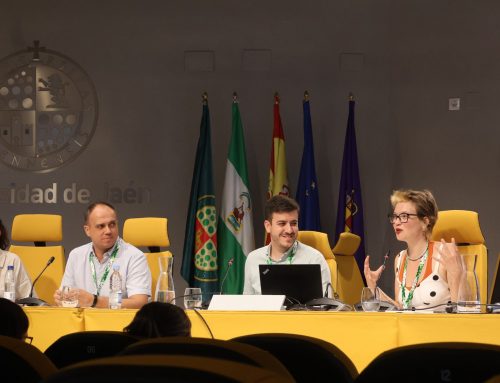
The session brought together farmers, researchers, policymakers, and water professionals to explore pressing challenges around nitrate, phosphate, pesticides, and PFAS across surface water, groundwater, effluent, and drinking water systems. Professor Peter van der Maas (Sustainable Water Systems, VHL) guided participants through the complexities of concentrations, loads, and regulatory standards, while also emphasizing practical pathways for action at multiple levels: from farm plots to water boards.
A key takeaway was the importance of soil organic matter. Increasing organic matter can enhance soil biodiversity and activity, supporting the degradation of pesticides. It also strengthens the soil’s sponge function and fertility. However, participants acknowledged that increasing organic matter remains challenging in practice, requiring tailored approaches and long-term commitment. Additional measures and tools are available through initiatives such as the Deltaplan Agrarisch Waterbeheer (DAW).
The discussion then turned toward the future of the Living Lab. Inspired by earlier projects like “Where to go with the peat?” in peat meadow landscapes, participants explored a broader question: Where do we go with our soils and with the people who depend on them? Farmers, nature stewards, and policymakers must navigate complex, interconnected challenges together.
Facilitated by socio-ecological researcher Erica Mosch, the conversation highlighted both the difficulty and necessity of aligning perspectives. A shared vision began to emerge:
We aim to build bridges between agriculture and nature, supporting resilient farmers in fertile delta regions. Human and environmental health are guiding values, and working with natural processes is key. Soil plays a central, connecting role yet it is rarely the only concern in land management.
Ultimately, the Living Lab emphasizes action over prolonged discussion. Progress requires experimentation, collaboration, and support where needed.
This is where we begin.