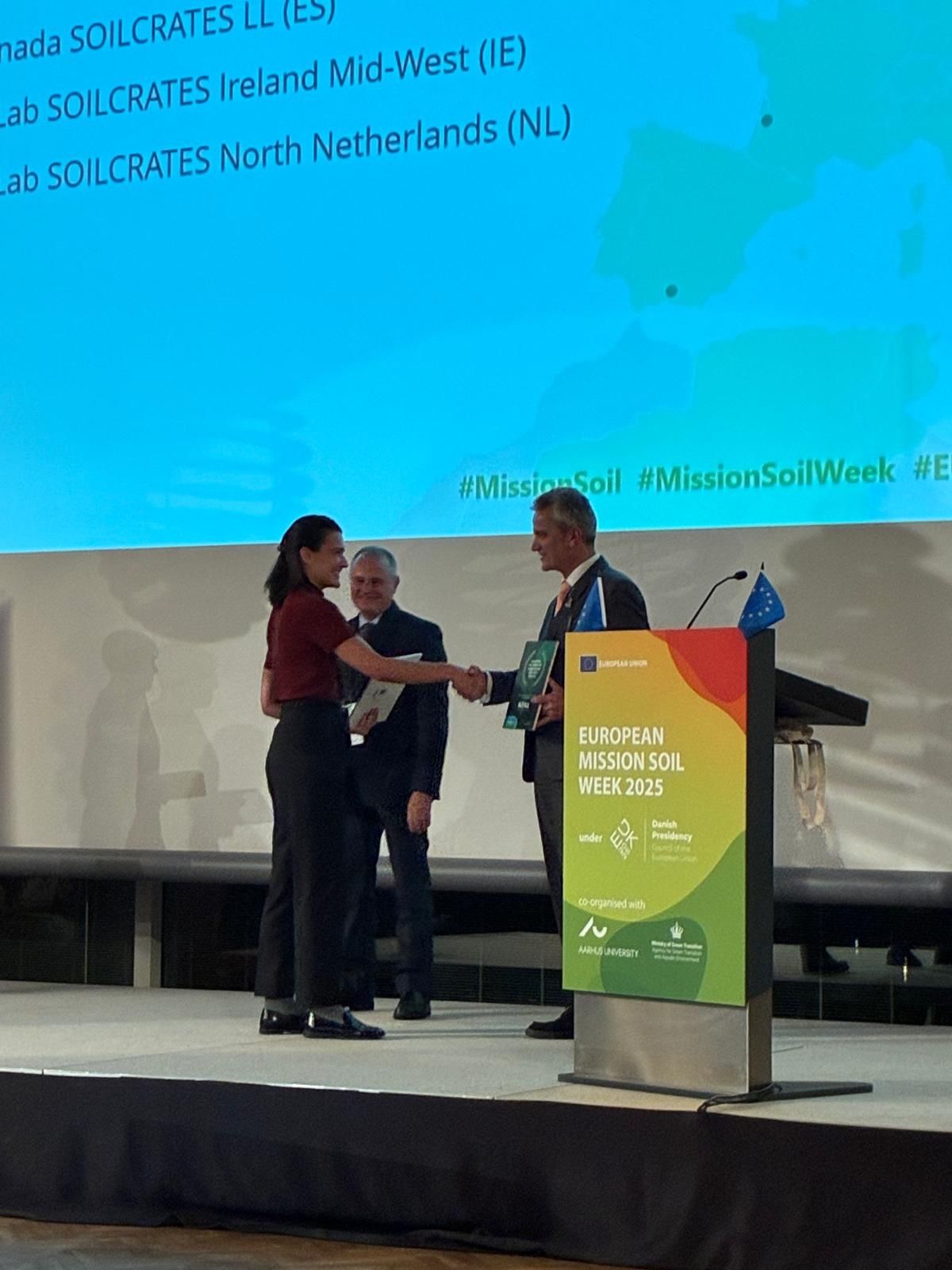
SOILCRATES at the European Mission Soil Week 2025
Co-organised by Aarhus University, the Danish Ministry of Green Transition, and the European Commission’s DG for Agriculture and Rural Development (EU Agriculture and Food), under the Danish EU presidency, the European Mission Soil Week 2025 took place on November 5th-6th, gathering policy makers, farmers, researchers, businesses and stakeholders to discuss the current and coming soil health challenges.
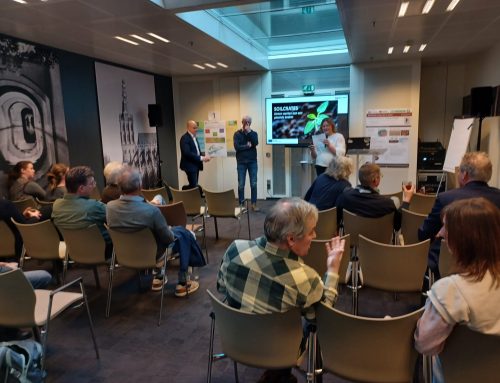
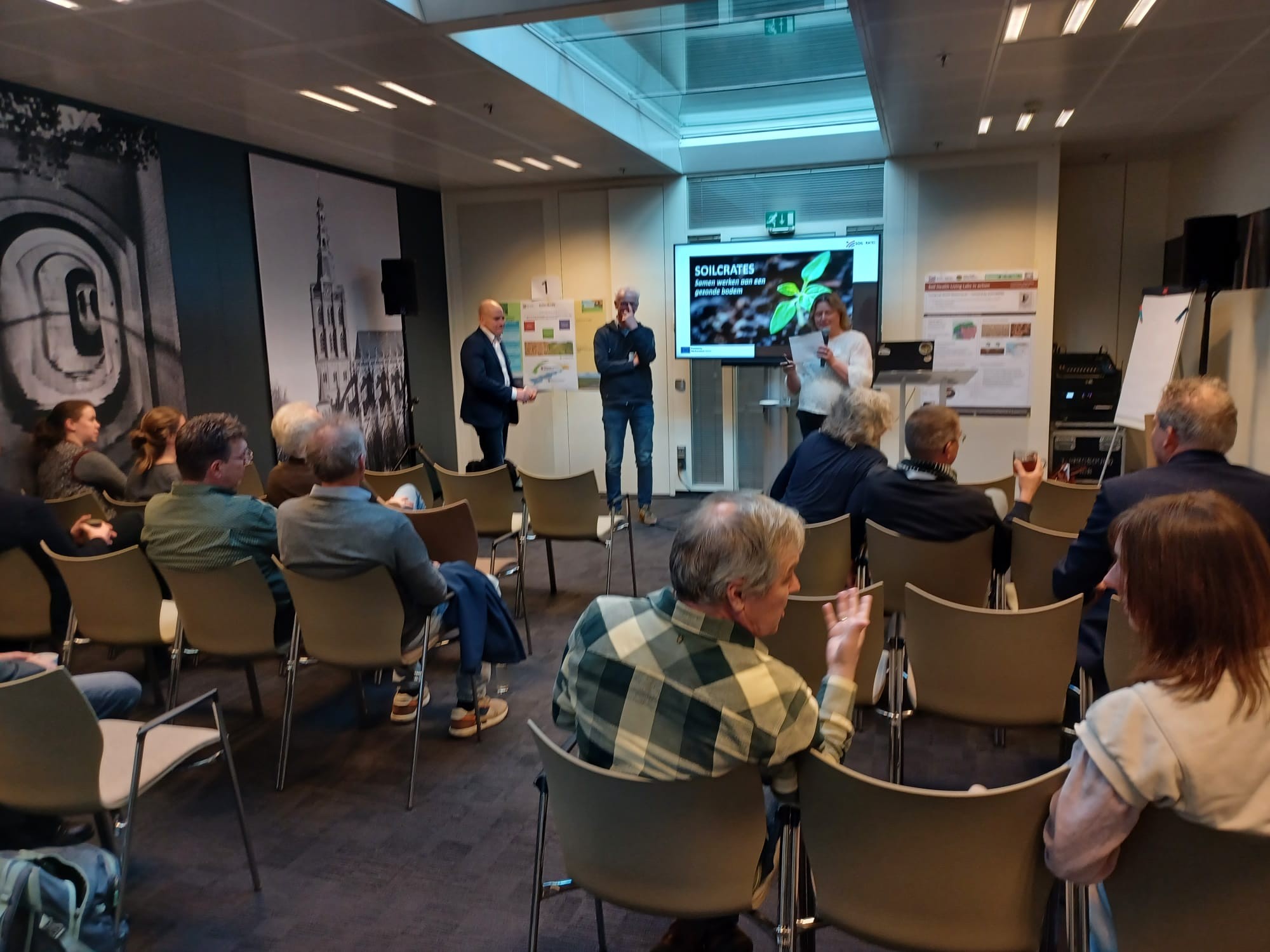
SOILCRATES’ team participated to the exciting event and it has been the perfect moment to connect with other sister projects from all parts of Europe especially through a projects trail with synthetic and straight to the point presentations of EU funded projects.
With 45 Living Labs already launched, the target set by the European Commission of 100 Living Labs created and running by 2027 seems in the right position to spread experiments all around EU to test practices and disseminate knowledge about soil health.
The cost of inaction is far greater than the cost of our ambitions
The first day was dedicated to “Scaling soil health: new business and investment models” with various examples of innovative agricultural business models that prioritise soil health, showcasing real-world examples with testimonies from various businesses and projects (Commonland, Soil Capital, SoilValues, Benchmarks, EITFood…).
Then, a Living Lab ceremony shed the light on the growing Living Labs community across Europe, where each recent or new LL received a placate from the hands of Peter Wehrheim, Head of the Bioeconomy and Food System Unit – Directorate-General for Research and Innovation of the European Commission, and Diego Canga Fano, Acting Deputy Director-General – Directorate-General for Agriculture and Rural Development of the European Commission.
Relationships are a real fuel that will help the transition to happen
The second day was all about “Healthy soils as part of sustainable multifunctional landscapes” with a practical example taken from the experience of the Danish Ministry of Green Transition and their Tripartite agreement for a green transition of agriculture and land use.
The discussions also dug into the role of policies and governance at different levels, to promote sustainable soil health and land use, with a focus on the Soil monitoring law by one of the coordinator of the drafting of this law Ion Codescu, Director Biodiversity (acting) and Head of the Land Use & Management Unit – Directorate-General for Environment of the European Commission.
The event concluded with a very insightful panel discussion digging into the ambitions and real-life challenges revolving around the implementation of Living Labs. Panellists emphasized on the fact that the successful deployment of adapted soil-health measures and transition will only be possible if all involved actors are actively listening to farmers, co-creating together with them the right means (whether they are financial, social, or scientific) to experiment, analyse, and disseminate the best practices, and that it should come along with a change in the perception of the farming profession to make it inspiring and attractive for the younger generations.
In light of this fruitful event, Living labs appear more than ever as a very concrete and practical tool to reach ambitious goal and to contribute to a long-term transformation of the agricultural system in the EU, where being part of a community of practice is a source of inspiration and as well as collaborative work and where failure is seen as a valuable source of knowledge!
Want to know more about this event ? Have a look at the recordings of Day 1 and Day 2 here.
Author : Clementine Eynard
Contact
For press inquiries, contact the communications team : natalia.brack@iid-sii.org and jessica.bailloux@iid-sii.org